Dollar vs Rupee: Why the Indian Rupee Is Depreciating, Reasons, Impact & Market Reaction

As of today, 1 US Dollar is trading around ₹90.5–₹91 against the Indian Rupee, with the currency recently breaching the ₹91 mark in some market sessions—a historic weakness for the rupee.
The Indian Rupee’s value against the US Dollar is a key barometer for economic health. Movements in this exchange rate affect consumers, businesses, inflation, investment flows, and financial markets more broadly. Let’s dive into why the rupee depreciates, what drives this trend, and how markets respond.
What Does It Mean When the Rupee Depreciates?
Rupee depreciation means the Indian rupee loses value against the US dollar. So when we say the rupee is at around ₹90–₹91 per dollar, it means you need more rupees to buy one dollar than before. A rising exchange rate (in rupee terms) indicates weakening of the local currency relative to the dollar.
This depreciation reflects how international currency markets value India’s economy relative to the United States and other economies.
Key Drivers of the Rupee’s Weakness
There are several interconnected reasons why the rupee weakens:
1. Strong US Dollar and Fed Policy
When the US economy is strong or the Federal Reserve keeps interest rates higher, global investors favor US assets. This increases demand for dollars and puts downward pressure on currencies like the rupee.
2. Foreign Capital Outflows
Sustained selling by foreign institutional investors (FIIs) can push the rupee lower. In recent weeks, foreign investors have been net sellers of Indian equities, increasing demand for dollars and weakening the rupee.
3. Trade and Current Account Pressure
A trade deficit—when India imports more than it exports—means greater demand for foreign currency. India imports oil, electronics, and many other commodities, which increases dollar demand and weighs on the rupee.
4. Global and Policy Uncertainty
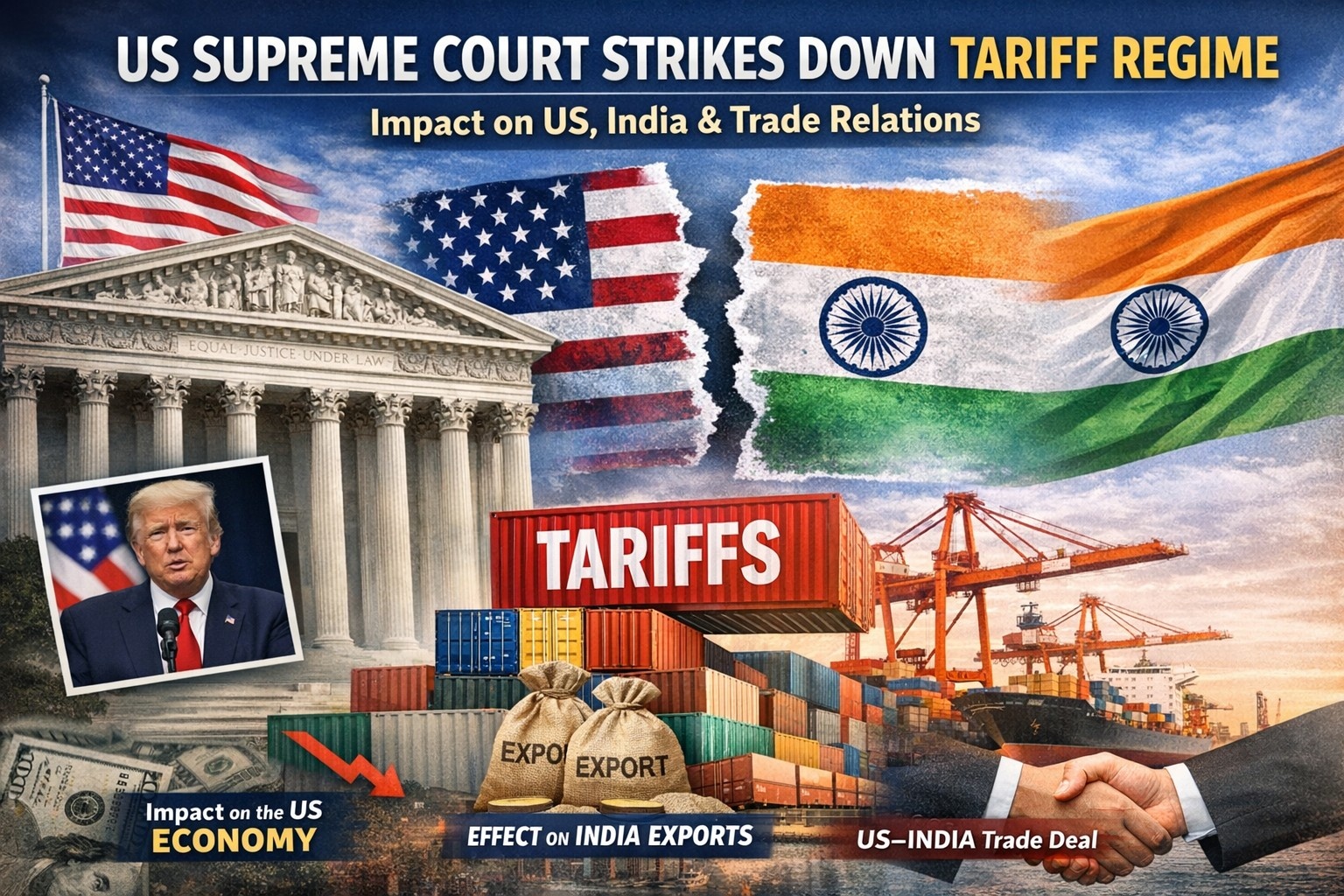
Trade negotiations, geopolitical risks, and inconsistent global growth can trigger risk-off sentiments, driving investors toward safe-haven currencies like the US dollar. Ongoing uncertainty around trade deals (for instance between India and the US) has contributed to recent rupee weakness.
Impact on the Economy
Rupee depreciation has both positive and negative effects:
Positive Effects
• Boost to Exports: A weaker rupee makes Indian exports cheaper and more competitive globally.
• Higher Export Earnings: Exporters earn more rupees for every dollar sold.
Negative Effects
• Costlier Imports and Inflation: Imports such as crude oil become more expensive, feeding into higher fuel and transport costs, which can push overall inflation upward.
• Corporate Costs: Companies relying on imported raw materials or foreign debt face higher costs.
• Consumer Prices: Prices for electronics, gadgets, and fuel can rise, affecting everyday spending.
How Markets Typically React
Equity Markets
Export-oriented sectors, such as IT and pharmaceuticals, often benefit when the rupee is weak because their dollar revenues translate into higher rupee earnings. In contrast, sectors heavily dependent on imported inputs—like aviation or consumer electronics—can face margin pressures.
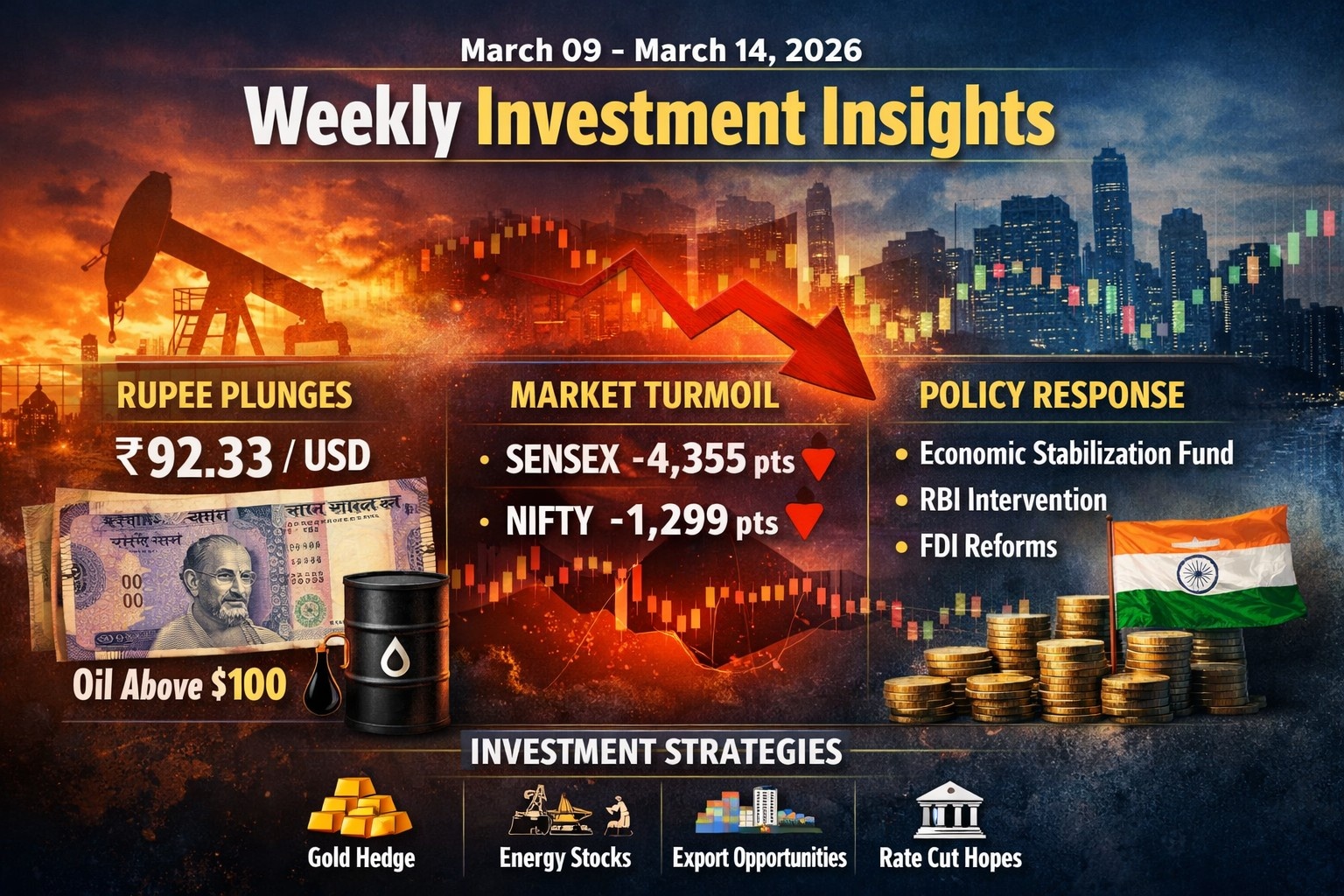
In the current environment, Indian equities have shown volatility alongside rupee weakness and foreign outflows, with broad indices slipping on weaker currency sentiment.
Bond and Debt Markets
Rupee depreciation can put upward pressure on yields if inflation expectations rise. Foreign investors may also adjust holdings in debt markets if currency risk increases.
Commodities and Gold
Gold prices in India tend to rise when the rupee weakens, because gold is priced in dollars and the cost in rupees increases.
What Should Investors Do?
Markets rarely move in isolation. Currency shifts are one piece of the bigger economic picture. Here are a few principles for investors:
Diversify your portfolio across sectors and asset classes rather than making decisions on currency movements alone.
Stay focused on long-term fundamentals rather than short-term fluctuations.
Monitor sectors differently: Export-earning sectors may outshine in times of rupee weakness, whereas import-dependent sectors face challenges.
In Conclusion
Today’s exchange rate around ₹90–₹91 per dollar reflects continuing pressure on the Indian rupee from global dollar strength, capital outflows, trade dynamics, and geopolitical uncertainty. While it poses challenges like higher import costs and inflationary pressure, it can also provide advantages to export-oriented businesses.
Understanding these drivers helps investors, businesses, and consumers make smarter decisions rather than reacting impulsively to headlines or daily swings.