Why the United States Is Interested in Greenland: Geopolitics, Billionaire Investments, and Market Impact
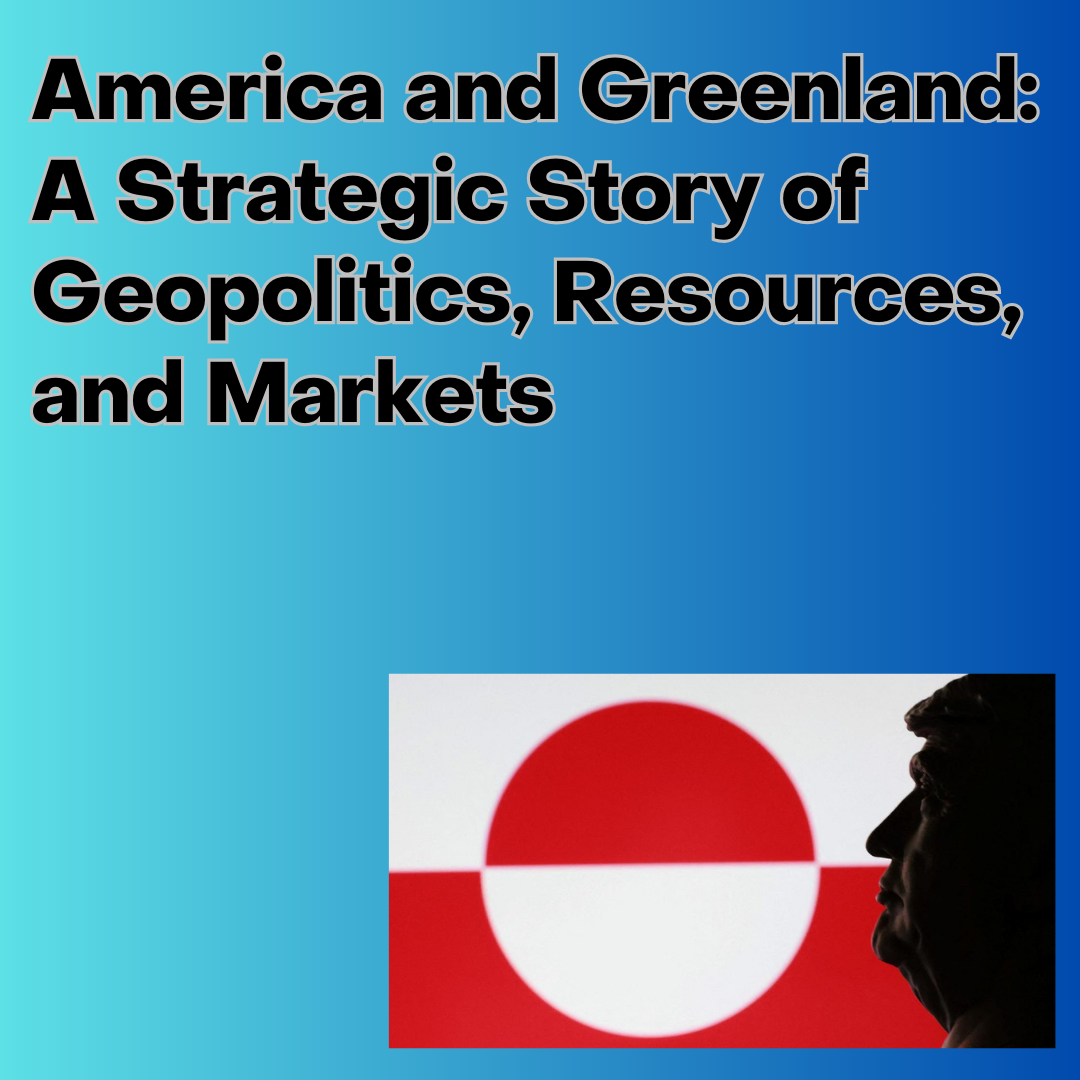
Why Greenland Matters to the United States
Greenland is a massive Arctic island with a very small population but enormous strategic and economic value. It is an autonomous territory under Denmark, but its vast landmass and location make it strategically important. Historically, the United States has shown interest in Greenland for decades. As far back as the mid-20th century, U.S. planners saw Greenland as a critical military and defense location because of its position between North America and Eurasia. The United States even offered to buy Greenland in the 1940s, although Denmark refused. More recently, talks to acquire Greenland were reignited by former President Donald Trump, who said controlling the island could be essential for U.S. national security and influence in the Arctic region. The United States reopened its consulate in Greenland in 2020, and discussions around investing in Greenland’s resources have continued with renewed intensity since 2024.
Geopolitical and Strategic Drivers
Three main strategic factors drive U.S. interest in Greenland:
- Defense and Security: Greenland’s location offers military advantages in monitoring and defense, especially regarding Russia and China’s Arctic activities. Historically and now, U.S. leaders have cited these reasons for being deeply interested in the island.
- Natural Resources: Under Greenland’s ice lie vast deposits of critical minerals, such as rare earth elements, lithium, copper, and other materials crucial for modern technology, renewable energy, and defense industries. These minerals are vital for electric vehicles, advanced electronics, and technologies linked to clean energy and national security.
- Global Influence: Control (even indirect) of Greenland would strengthen U.S. leverage in the Arctic region and balance Chinese and Russian influence.
Long-Term Corporate and Billionaire Investment in Greenland
Long before recent political headlines, wealthy American investors and major tech figures have been investing in Greenland’s potential, especially in resource exploration.
Since around 2019, influential investors—most notably Bill Gates, Jeff Bezos, Michael Bloomberg, and Sam Altman—have invested in ventures focused on Greenland’s mineral resources. They invested in a company called Kobold Metals, which uses artificial intelligence to explore and map rare earth metals and other critical minerals in Greenland. Gates’ Breakthrough Energy fund, for example, supported Kobold’s funding rounds even before the latest U.S. political interest became prominent. Sam Altman later also invested through his venture partners. These investments show that private capital has been positioning itself around Greenland’s resource potential for years, anticipating demand from technology and green-energy supply chains.
Other investors connected to major U.S. tech companies have backed projects involved in mineral extraction and exploration. In addition, some investors connected with U.S. business and political elite have invested in related sectors, including infrastructure and potential industrial development projects in Greenland. This pattern suggests that even before the most recent political push, there was already a market belief that Greenland’s resources could be central to future industries.
Europe’s Reaction and the ‘Sell U.S. Bonds’ Narrative
European nations, especially Denmark and the EU, have firmly rejected the idea that Greenland should be sold to the United States or any other country. They emphasize that Greenland’s future decisions must rest with Greenlanders and Denmark. Some European political leaders see U.S. pressure as aggressive and damaging to diplomatic relations. The tension has strained long-standing transatlantic cooperation.
Amid this political strain, there has been talk in markets and political commentary that European investors or funds might reduce their holdings of U.S. assets, especially U.S. Treasury bonds, as a kind of protest or hedging move. That idea reflects market anxiety about geopolitical risk, but it is not a coordinated official policy by European governments. A few institutional investors have adjusted their portfolios for broader financial reasons, and markets have reacted to news and speculation, not formal decisions to sell U.S. bonds en masse. However, if such selling were to become widespread, it could raise yields on U.S. debt and put pressure on the dollar, potentially affecting borrowing costs and financial market stability.
How This Affects Markets and the Global Economy
Although no formal acquisition of Greenland has occurred, the ongoing geopolitical tension and investment moves have real effects on global markets:
- Market Volatility: Geopolitical uncertainty often leads to higher volatility in stocks and bond markets. Investors may shift capital toward perceived safe assets or diversify into other regions.
- Currency Movements: If confidence in U.S. policy or dollar-based assets weakens, there can be downward pressure on the dollar and upward pressure on yields for U.S. government debt.
- Commodity and Resource Investments: Companies involved in mining and tech linked to resource extraction in Greenland have seen increased investor interest and rising valuations, reflecting future expectations for demand in critical minerals.
- International Relations: Diplomatic strain between major economies affects trade negotiations, defense cooperation, and long-term economic partnerships around technology and infrastructure.
Conclusion
The U.S. interest in Greenland is not random or new. It is rooted in long-standing strategic and economic considerations, especially around defense and resource security. Wealthy investors and major tech leaders anticipated the importance of Greenland’s mineral wealth years ago and have already positioned capital in related ventures. Europe’s resistance has led to political tension, and while speculation about selling U.S. bonds reflects market nervousness, it is not an official policy move. Overall, these developments show how geopolitical strategy, private capital, and global markets are deeply interconnected in shaping the future of critical regions like Greenland.