The State of the US Economy in April 2026: Resilient Growth Amid Global Challenges
The State of the US Economy in April 2026: Steady Growth Amid Global Headwinds and Domestic Resilience
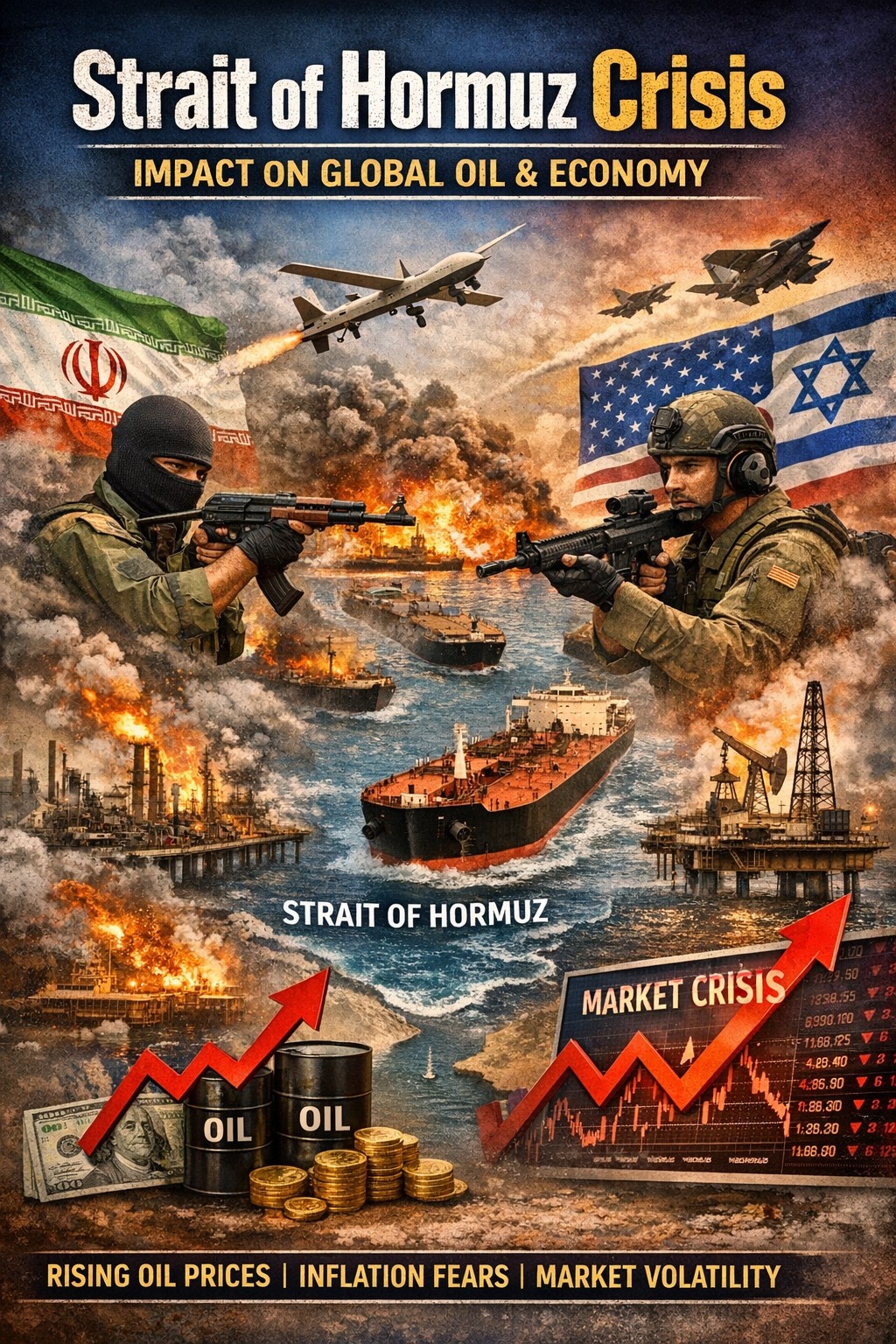
As we step into Q2 2026, the US economy continues to showcase its legendary resilience. Despite a government shutdown late last year, rising geopolitical tensions (including the ongoing war with Iran pushing up energy prices), tariffs, and moderating consumer spending, growth remains positive and above-trend in many forecasts. The labor market is holding firm, inflation has stabilized near the Fed’s target, and AI-driven productivity gains are providing a powerful tailwind.
This blog breaks down the latest data, key drivers, challenges, and what lies ahead for the world’s largest economy.
1. GDP Growth: Solid but Cooling from 2025 Peaks
- Real GDP grew 2.1–2.2% for the full year 2025, driven by consumer spending and business investment in AI and capital equipment. Q4 2025 saw a slowdown to just 0.7% annualized (second estimate), down from a blistering 4.4% in Q3, partly due to the Q4 government shutdown.
- U.S. Economy Ends 2025 on a Slower Note – Eye On Housing
- Consensus forecasts for 2026 point to healthy expansion of 2.2–2.5%, with the IMF at 2.4%, CBO and Deloitte at 2.2%, and some private forecasters even higher. The 2025 reconciliation act (tax cuts and full expensing for investments) and rebound from the shutdown are expected to provide a lift early in the year.
- Key takeaway: The US is growing faster than most developed economies, supported by strong productivity and private-sector dynamism.
2. Labor Market: Rebound in March Signals Stability
- The March 2026 jobs report delivered a pleasant surprise: nonfarm payrolls rose by 178,000, far above the ~59,000 expected and a sharp rebound from February’s revised loss of 133,000 jobs.
- The unemployment rate dipped to 4.3% (from 4.4% in February), though part of the decline came from a drop in labor-force participation. Wage growth remains moderate at +3.5% year-over-year.
- Job Growth Rebounds in March – Eye On Housing
- The labor market is “low-hire, low-fire” — steady but not overheating. Reduced immigration and an aging population are structural headwinds, but AI adoption is helping firms do more with fewer workers.
3. Inflation: Stable at 2.4%… for Now
- Headline CPI rose 2.4% year-over-year in February 2026, unchanged from January and the lowest level since mid-2025. Core CPI (excluding food & energy) was 2.5%.
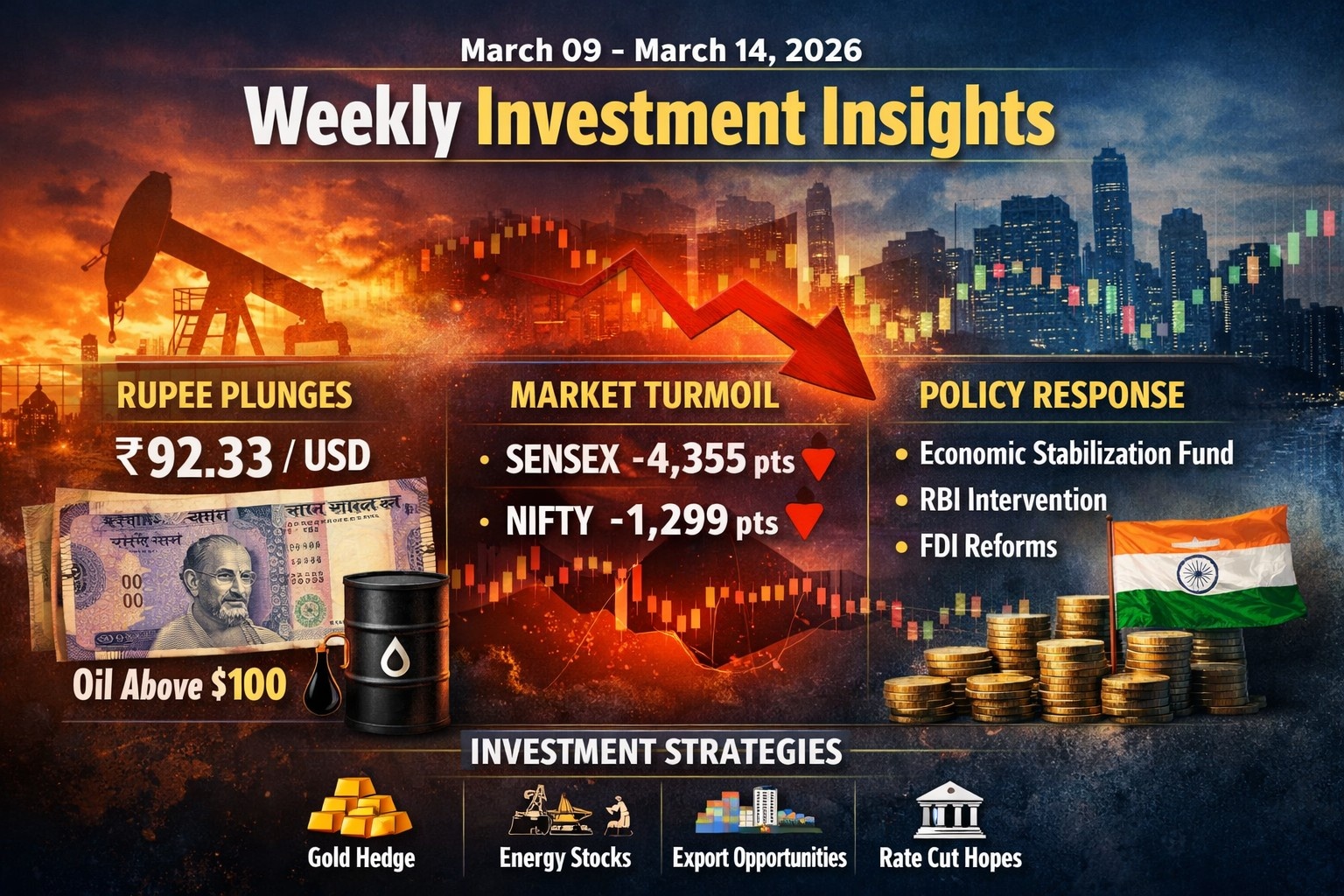
- Energy prices jumped in February and are expected to climb further in March due to the Iran conflict, potentially pushing headline inflation toward 3%+ in the coming months. Shelter costs remain the biggest driver of core inflation.
- The Fed’s preferred PCE measure is projected to average around 2.7% for 2026 before easing back toward 2% in 2027.
4. Monetary Policy: Fed on Hold, One Cut Expected
- At its March 2026 meeting, the Federal Reserve kept the federal funds rate steady at 3.5%–3.75% for the second consecutive meeting. Policymakers cited solid growth, low job gains, and “somewhat elevated” inflation plus uncertainty from the Iran war.
- The dot plot still projects one rate cut in 2026, with the median rate ending the year around 3.4%. Markets are pricing in a cautious path — no hurry to ease aggressively.
5. Stock Market: Volatile but Optimistic Outlook
The S&P 500, Dow, and Nasdaq hit 2026 lows in mid-March amid inflation worries and oil-price spikes, but Wall Street strategists remain bullish for the full year. Median forecasts call for the S&P 500 to end 2026 around 7,500–8,000 (roughly 10–17% gains from late-March levels).
AI-related firms continue to drive gains, though valuations are stretched and a “bubble” debate rages. Corporate earnings growth is expected to accelerate to 14–16% in 2026.
Major Challenges on the Horizon
- Geopolitical & Energy Shock: The Iran war has already lifted oil prices; prolonged conflict could add 0.5–1% to inflation and shave growth.
- Fiscal Deficit: CBO projects a $1.9 trillion deficit in FY2026, rising over time. National debt remains a long-term concern.
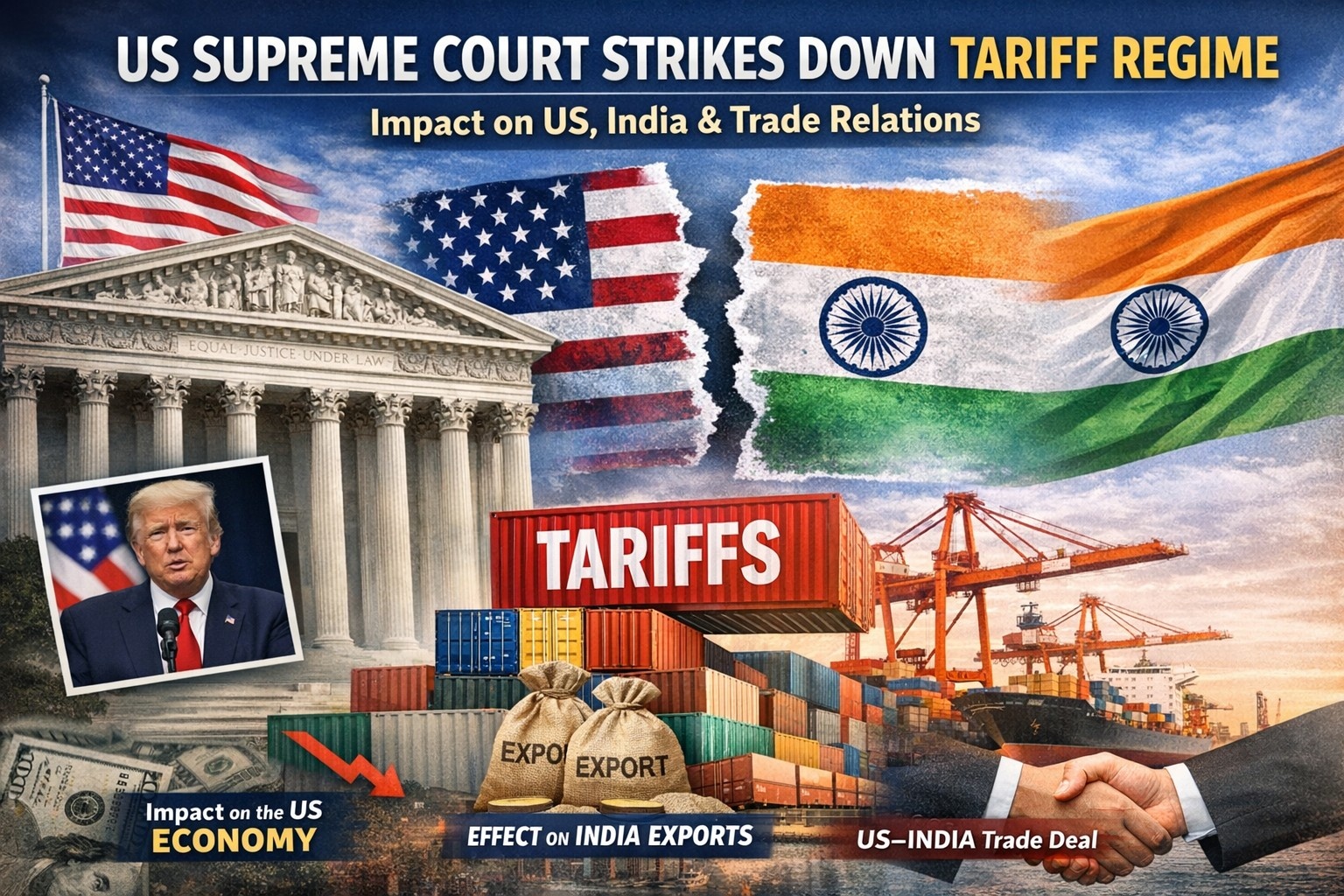
- Tariffs & Trade: New tariff regimes are raising costs for businesses and consumers.
- Consumer Fatigue: Spending growth is slowing to ~2.1% as households feel the pinch from higher prices in health care, housing, and energy.
Bright Spots and Opportunities
- AI & Productivity Boom: Business investment in generative AI and capital equipment is accelerating.
- Tax & Regulatory Relief: The 2025 reconciliation act is boosting take-home pay and investment incentives.
- Resilient Consumer: Real wages are rising, and household balance sheets remain strong for most Americans.
Outlook for the Rest of 2026
- Forecasters expect moderate, above-trend growth with low recession risk (20–30% probability). Unemployment should hover near 4.3–4.5%. Inflation will likely tick up temporarily before easing in 2027.
- The US economy isn’t booming like 2023–2024, but it’s far from recessionary. Its flexibility, innovation ecosystem, and deep capital markets give it a clear edge over many peers.
- Bottom line: 2026 looks like a year of “steady as she goes” — not spectacular, but fundamentally healthy. Investors, businesses, and policymakers should watch energy prices, Fed signals, and the next jobs/inflation prints closely.
What do you think — is the US economy set for a soft landing or are bigger risks lurking?